Irresistible Forces, Immovable Objects
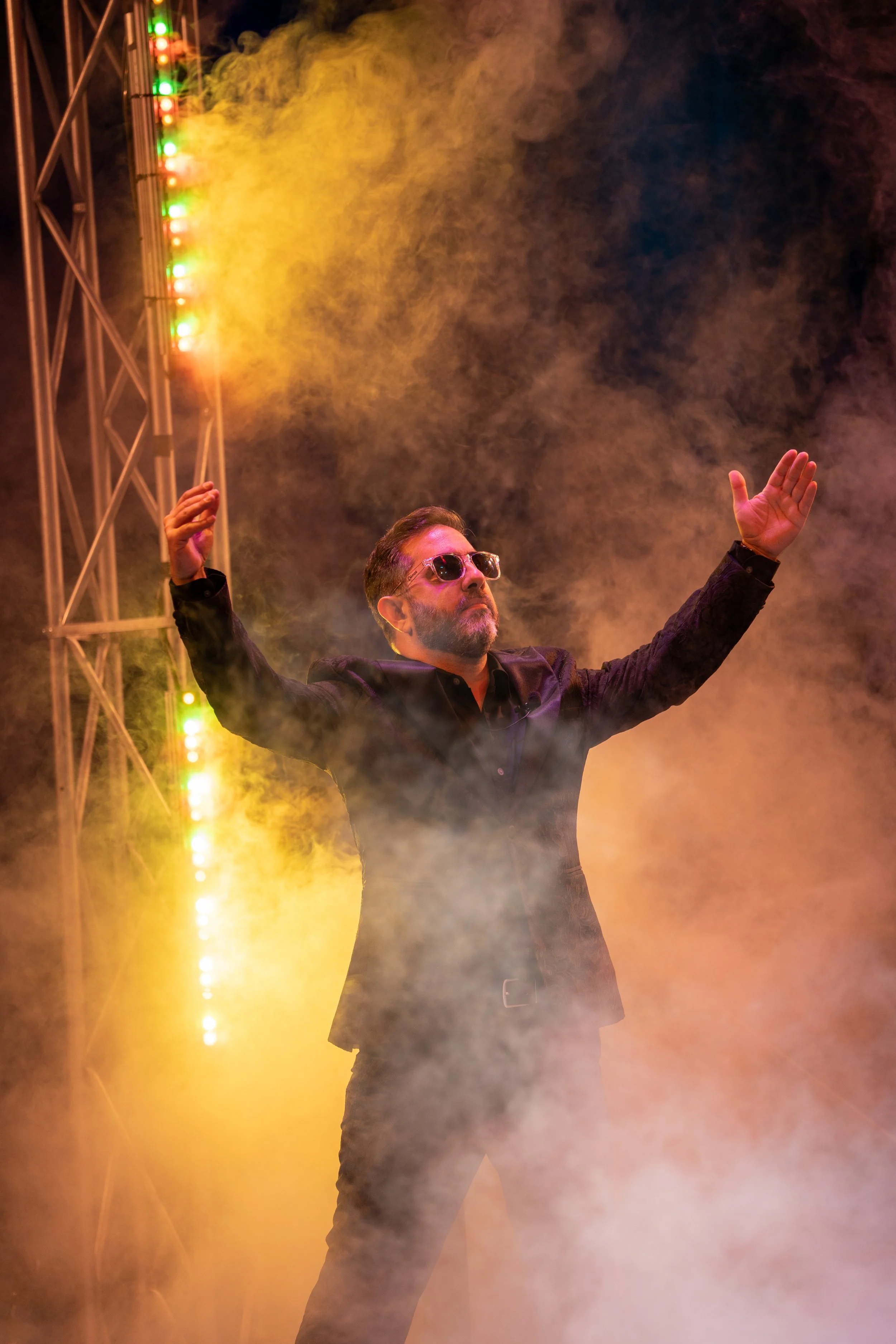
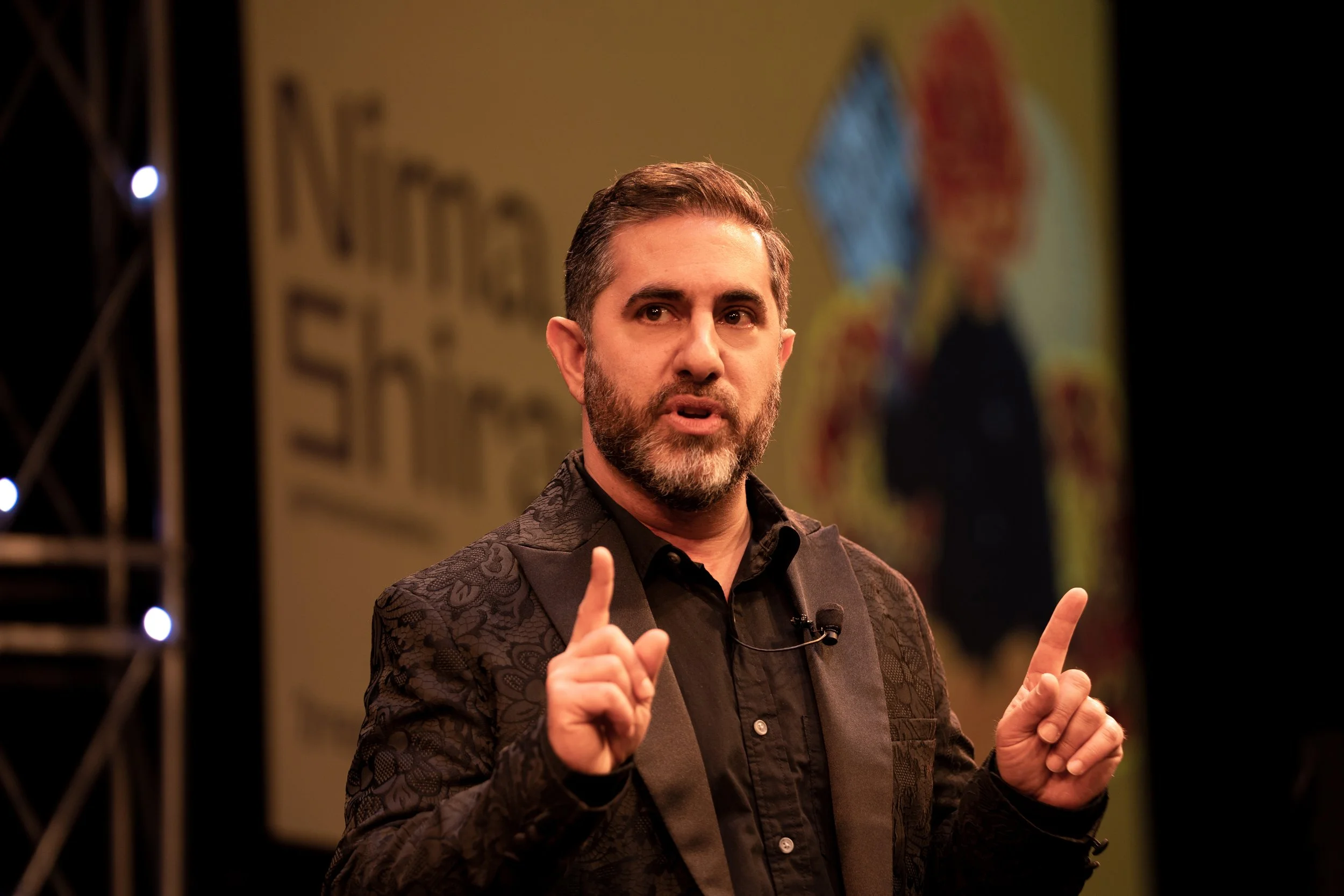
This is the transcript of a speech I delivered at the opening of frank 2023 on the Mainstage in the historic Hippodrome Theatre in Gainesville, FL. Hosted by the University of Florida’s Center for Public Interest Communication, frank is a gathering of strategists, storytellers and scientists — people who use communications to drive positive social, institutional and behavioral change. The frank gathering informs and drives the field of public interest communications through research, insights and news.

Irresistible Forces, Immovable Objects
*
I was four years old when I became an anti-imperialist. And it’s mostly thanks to Hulk Hogan.
Ok, I should probably explain that. I started watching professional wrestling in the mid 1980s. It was the start of Ronald Reagan’s second term and Cold War fever was high. Politics revolved around the binaries of good and evil, not just crazy versus normal. Wrestling, especially back then, was the same way - there are good guys, known as babyfaces, and bad guys called heels. The biggest face in the world was Hulk Hogan - he was the Champ, he was on Wheaties boxes, and he was on MTV with Cyndi Lauper - and the most sinister heel was a wrestler from Tehran, Iran: The Iron Sheik. It was just a few years after the Iranian Revolution and the hostage crisis and, with his kaffiyeh, pointy boots and handlebar mustache, there was no one more dastardly than the Sheik.
But for me, the son of an Iranian immigrant who often didn’t use his real first name professionally since its foreign-ness sometimes cost him work, there was no one I connected with more. In fact, I was pretty convinced The Iron Sheik was my uncle. And I was on his side.
You weren’t supposed to like The Iron Sheik. You despised him and rooted against him. You were supposed to like Hogan, the flag-waving American. I didn’t. No, I loved The Iron Sheik. He spoke the truth - calling out American exceptionalism, imperialism, militarism and arrogance. Most wrestling fans, most Americans, didn’t want to hear that.
Wrestling is built on conflict - good and evil, us and them, the familiar and the foreign. And, at only four years old, I found my identity in this heel. I found belonging in the other, in standing against the status quo. Amid all the boos and jeers, I was proud to cheer for the Iron Sheik and against everyone else’s American hero. After all, how could I root against myself?
**
Sure, professional wrestling is… silly. But it’s also sublime. It is fundamentally a storytelling medium; an athletic, allegorical artform of archetypes. It is pedestrian and Shakespearean all at once. It’s small-minded and larger-than-life, a gladiatorial soap opera that never stops. The storylines of friendship and betrayal, of feuds and families, can be traced back decades. Heels become faces and faces become heels. Stereotypes get reinforced, then subverted.
This muscle-bound metaphor is mythology made real, a perpetually evolving morality play on mats and canvas, costumes and catchphrases, piledrivers and promos. And because it never stops, the stories have to keep up with its audience and what they demand; how they see the world and themselves in it - from match to match, city to city, week to week, decade to decade. Who are their heroes, their villains? When and why do their allegiances change? And, what are the narratives about race, class and gender that move them?
Saying ‘wrestling is fake’ is like saying Hamlet or the new season of the Mandalorian is fake. If that’s your takeaway, you’ve been looking at the wrong thing the entire time.
***
Back in the day, when two huge wrestlers would square off and test each other’s strength, legendary wrestling commentator Gorilla Monsoon would declare: “The irresistible force meets the immovable object!” But, eventually, someone would fall.
Here, this week, in this space of creators and communicators, let’s think about those irresistible forces that we can wield and the objects we’re told are immovable, but that we know can crumble.
The author and activist Toni Cade Bambara famously said that “the role of the artist is to make the revolution irresistible.” As we grapple, struggle and battle for our rights, our identities and our communities, we must make our stories, our solidarity, our revolution irresistible to those we seek to meet and to move.
In wrestling, there’s always a way for the underdog to build strength, to punch above their weight, to find a way to win, even when they’re on the ropes or almost down for the count. In wrestling, there can be catharsis and redemption, there can be justice.
So, for the next few days, as we share this wrestling ring together, let us think about the long histories that brought us here, the intersecting storylines that have led to this moment, right here, and where we’re going next. Who are we told are the faces and the heels? What narratives will draw that heat, make those crowds pop and build that future we all want to see?
So let’s ring that bell and get this shit started. Because the long view needs your vision. The future is coming. It’s up to us to make it ours. We'll make this frank gathering, as Bret Hart would say, ‘the best there is, the best there was, and the best there ever will be.’
Just one more thing: we all know that some narratives seem immovable. After the Cold War ended, The Iron Sheik’s tag team partner, the evil Soviet Nikolai Volkoff, turned face to show that Russia was now an ally. But The Sheik stayed a heel. The Iranian wasn’t allowed to be the hero. Some things haven’t changed.
Yet.
Watch the speech here: